Service Details
Business Analysis 2.0
What, why, how

What is it?
Business Analysis 2.0 (BA20) is a term we coined to describe a new, more modern way of doing business analysis. While keeping the existing practice, methods and tools intact. As such it's an enrichment intended to put business analysts (BA's) more in the driver seat with regards to driving the final outcome, or the solution that the analysis intends to describe. This feels like a natural step forward due to two recent, major changes in the IT field.
The first is obviously the rise of AI to the point where it's able to significantly enhance and expedite existing business processes and practices. The second is the widespread adoption of highly advanced, user friendly (e.g. drag&drop) process tooling. We specifically focus on N8N (see n8n.io for more details).
Hence the BA20 concept is centered around expanding the 'standard' BA practice and tools such as BPMN, flow charts etc. with an extra layer of process translation and prototyping in n8n. The core concept of BA20 has been around, in the form of Case Tools, and 'Low Code' platforms, but in practice rarely caught on, due to complexity of the tools utilized, and limited 'reach' of the final product. E.g. even after translating the process analysis the products usually still needed to be sent off to development for incorporation in the platform, or further integration with other services in the landscape. Thanks to the pace of innovation and the plethora of modern tools, this has fundamentally changed.
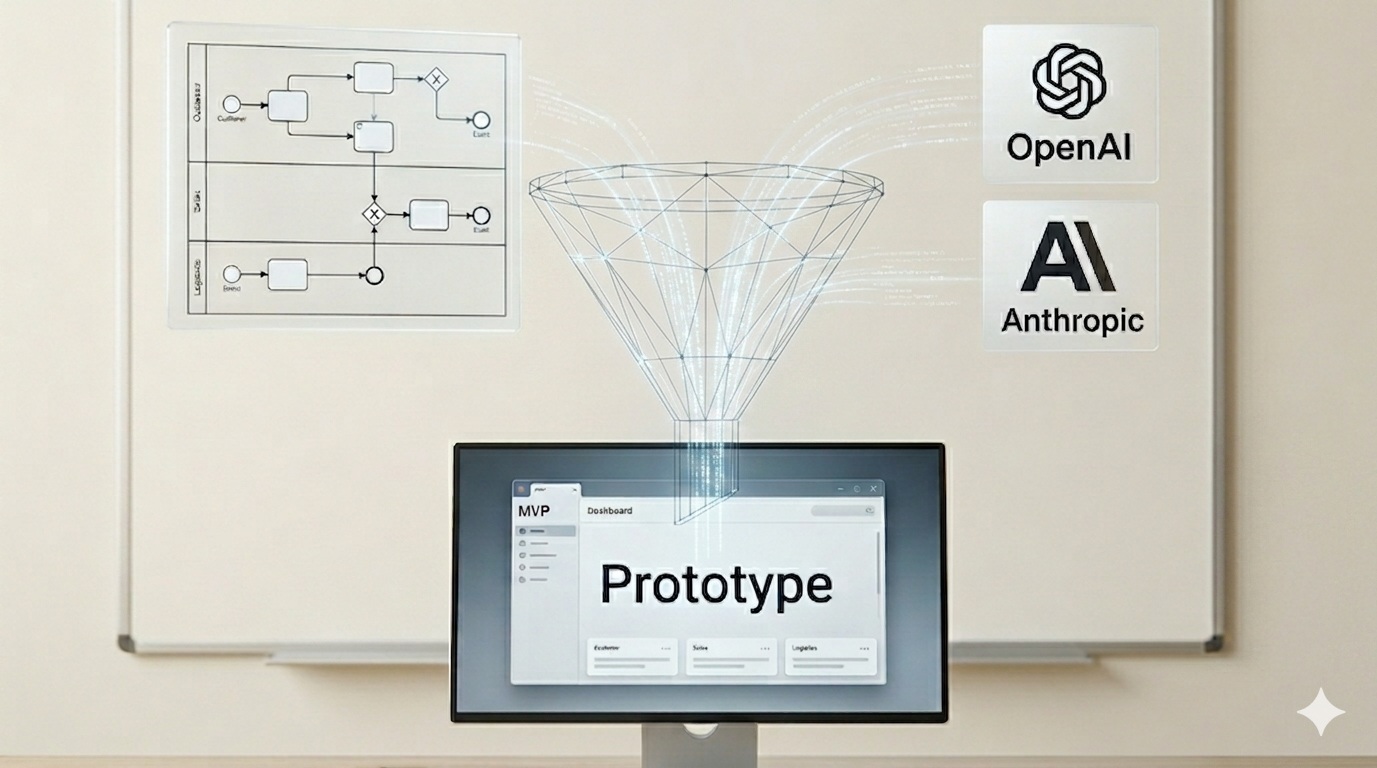
This way all the existing steps and artefacts from the BA process remain intact; Your process documents and descriptions, repository all remain unchanged. The Business Analysis process is simply enriched with an additional deliverable which is a functional MVP or prototype of the process that can be used as a proof of concept, testbed for user feedback and approval, and when done right can serve as a first iteration of the process in production.
Why would I want this?
At first this may seem as simply more work loaded on top of the already busy agenda of the analyst. But this extra investment can pay itself back rapidly when we look at the benefits:
- Shorter feedback cycles from the users. Due to ability to test with a working prototype.
- Less rework for the development team. When the spec is presented to the developers, all or most of the process and logic errors, or buried edge cases that may have resided or were 'hidden' in the analysis have already been resolved.
- Incorporate Agentic AI in the process in a safe and controlled fashion. Validate early where you can make improvements with an AI agent and where you can't.
- The functional prototype is 'owned' by the business (if so desired), which means it can be solidified and used within the department immediately for early trial runs, and expanded 'live' testing. Eliminating the need to wait for a development and deployment date from a development department or organisation.
In short there are a myriad of reasons for implementing the BA20 practice in your BA workflow.
When it's not a good value add
So there are a lot of positive use cases for BA20, but there are also situations when it's beneficial to stop after the 'classical' business analysis step, and hand the results over to your development team 'as usual'. In this case nothing has been lost, as we simply omit the final two steps of the BA20 process. These situations are all centred around complex multi-step processes where there is a lot of human input at every step along the way.
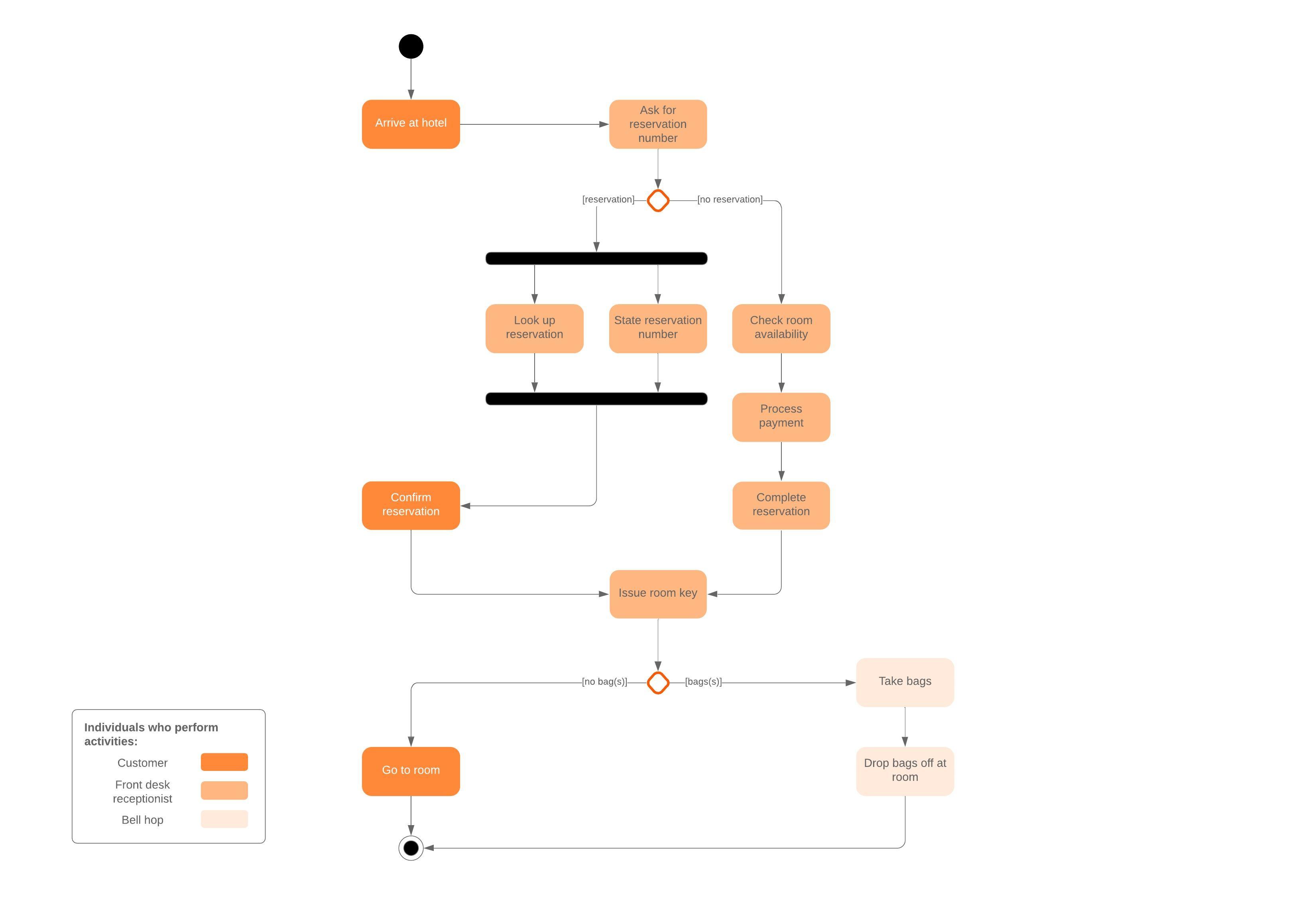
Think for instance of an interactive process that a customer service rep (CSR) goes through while talking to a customer. The CSR goes through an interactive process with the customer, filling in certain forms with new data, guided through particular steps each requiring validations or updates depending on what data has been added. These are usually guided flows with significant amounts of different branches that can be walked through depending on the process.
In this case the UI plays a leading role, and there are many touch points where the human 'steers' the process. One of N8N's major features is the ability to incorporate Agentic AI. The design philosophy behind N8N is one where instead of several human touch points, the Agentic AI handles the process internally, and only requires human validation at a few, if any, key decisions.
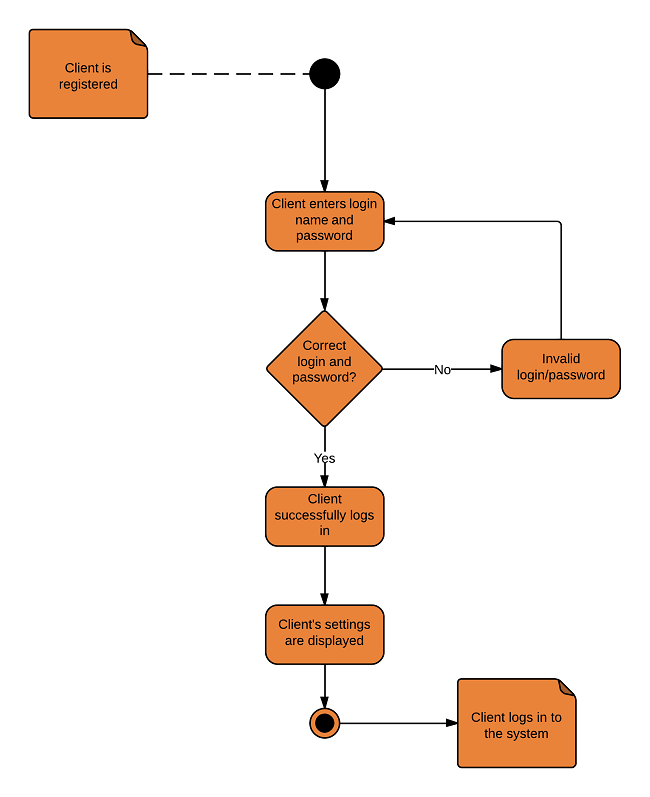
Hence UI-heavy (human-led) multi-step processes are not a good use case for the full BA20 method. However in these scenarios nothing extra has been invested by the analyst, and the regular analysis process remained unchanged.
How does it work in practice?
The BA process remains mostly unchanged (regardless of which methodology or process you use), and the analyst proceeds with the business analysis as per usual. The outcome contains one or more artefacts, generally including one or more of the following items:
- Process analysis in the format of a BPMN, BPM, and/or DMN chart.
- Flow charts.
- User stories and specifications.
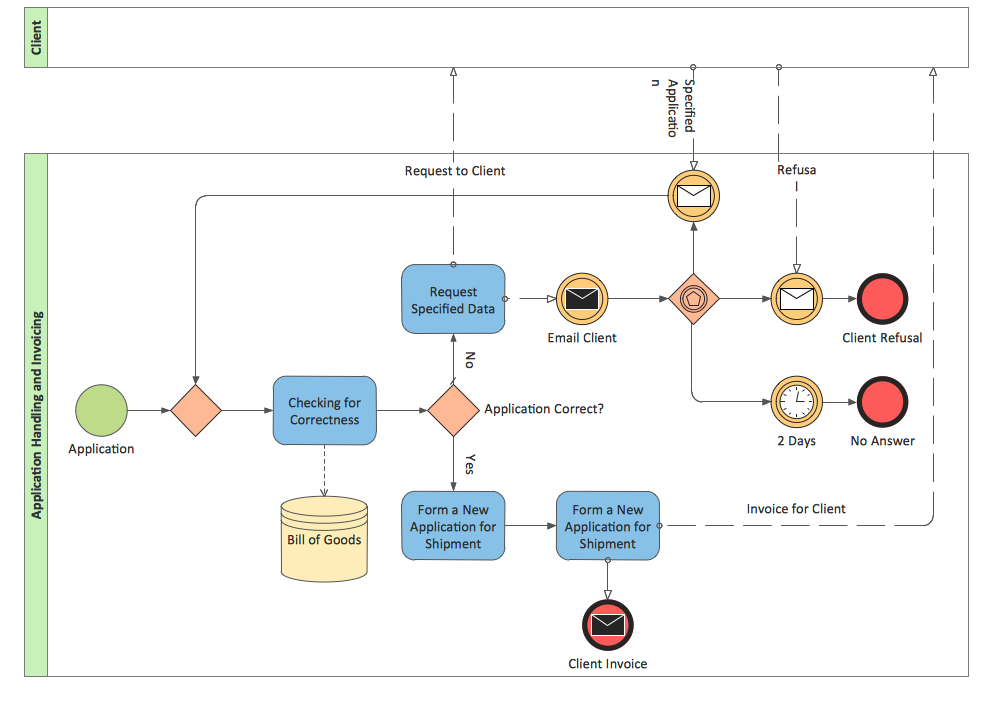
So far, so usual. Here's the next item. Once the artefacts are produced, they should be checked for completeness particularly with regards to data objects, and flow. Once the analyst has ascertained the documents are complete, the BA20 Analyst will map the BPMN (or flow processes) on the core N8N modules, and implement the process in n8n with simple drag & drop. The latter is surprisingly easy as the majority of BPMN notational elements map directly on an N8N element. The same can be said for other analysis models.
Once the functional model has been created the process can be tested. Logic errors and edge cases can be identified and the model can be handed off to development, or left in place for early stage testing.

The true strength of this process lies in the ability to include various Agentic AI solutions in the new process without any technical background or knowledge on behalf of the analyst. Organisations can experiment with different AI / LLM providers, different prompts etc. All before the development team has to get started for a final build.
Get in touch
Want to know more, or see if this can be a fit for your organisation?
Get in touch for honest, actionable feedback about your specific use case.